
How much to charge for babysitting in 2026
The three organizations with real data publish figures $4 apart. Here is why — and how to land on the number you actually quote.
What is in this guide
If you are working out how much to charge for babysitting, the short answer is $21 to $26 an hour for one child — depending on which source you trust and which state you live in. That is a wide range for a question that sounds simple, and the reason is worth two minutes of your time before you quote anyone.
Use the calculator below to get your own number in about thirty seconds, then read on for how each figure is built and where sitters most commonly undercharge.
Babysitting rate calculator
Your state, your number of kids, overnights and holidays. Free, instant, no account.
Certified sitters charge more — and can prove why
A published 90% pass mark and a verification page a parent can check. That is what justifies the top of your range instead of the bottom.
Average babysitting rates in 2026: three numbers that disagree
Every article you will read quotes one national average as though it were settled. It is not. The three organizations with genuine data publish figures $4 apart, because they are measuring different things.
completed bookings
rates sitters set
what parents report paying
| Source | 1 child | What it actually measures |
|---|---|---|
| UrbanSitter, 2026 study | $26.24 | Completed bookings on their platform — urban-skewed, vetted sitters |
| Sittercity, May 2026 | $23.00 | Rates sitters set for themselves across 62 metros |
| Care.com, 2026 report | ~$21.88 | What 3,000 surveyed parents say they actually pay |
All three figures published in 2026. The gap is methodology, not error.
Marketplace rates run high because those platforms attract families willing to pay for vetting. Parent-survey rates run low because they include every casual arrangement, right down to the neighbor’s teenager. Your real number sits between them — closer to the top if you are certified, experienced, or in a major metro.
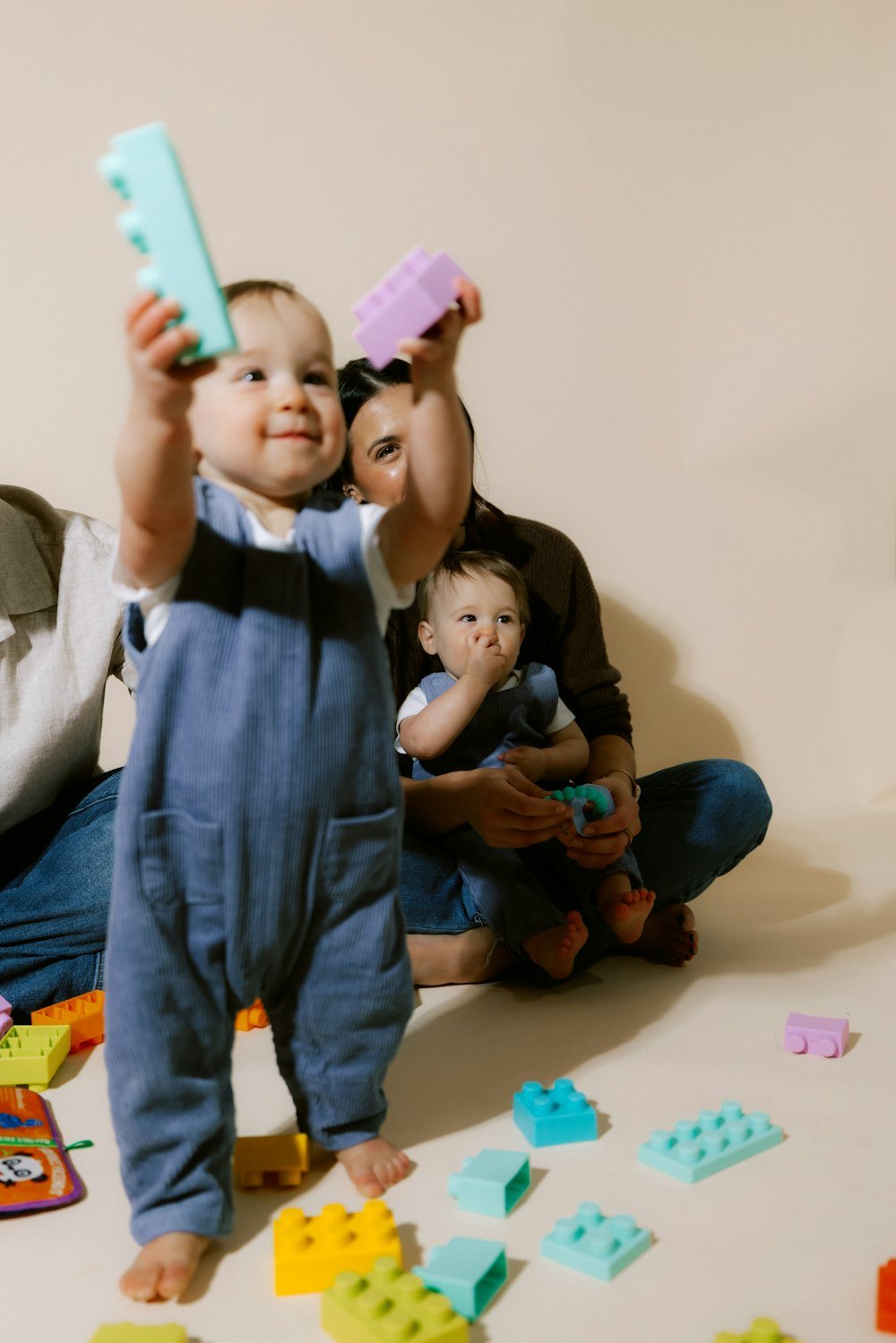
How much to charge for babysitting 2 kids (and 3, and 4)
This is where most sitters quietly lose money. The advice repeated everywhere says add a flat dollar or two per additional child. UrbanSitter’s actual booking data says something quite different.
What the booking data shows
- Second child: about 14% more — $26.24 rising to $29.87
- Third child: roughly 8% more again — $29.87 rising to $32.33
- Fourth child: around 6% on top of that
On a $24 base rate, the flat-dollar advice gets you $25 for two children. The observed data says $27.36. Over a four-hour job that is a $9 difference. Over a year of regular Saturday nights it is several hundred dollars.
The advice everyone repeats costs the average sitter more than the certification does.
Overnight babysitting rates: flat fee or hourly?
Two models are both in genuine use, and the important thing is agreeing which one before the job starts rather than at 2am.
Flat fee for the night
UrbanSitter puts this at $200 to $325. Simple, predictable, and it protects you if the parents come home later than promised.
Hourly, with sleeping hours paid
Care.com quotes overnight city rates of roughly $19 to $24 an hour, and nanny expert Michelle LaRowe’s stated position is that a sitter should be paid for every hour worked. In practice this means your normal rate plus $3 to $5.
Whichever model you use, put it in a message before the night. “Just confirming — $260 flat for the night, from 7pm Saturday to 9am Sunday” takes ten seconds and prevents the entire category of awkward conversation.
Holiday and New Year’s Eve babysitting rates
You will see “charge double” repeated confidently all over the internet. The data does not support it.
UrbanSitter’s own published New Year’s Eve figures — $30.00 for one child against a $26.24 base — come out to about a 14% premium. Their written guidance elsewhere says 20 to 25%. Their marketing copy says 1.5 to 2 times. Three different numbers from one organization.
25 to 30% is easy to justify and families accept it readily. Doubling is a stretch that gets declined, and a declined quote earns nothing at all.
Babysitting rates by age: what should a 14-year-old charge?
Here is something no rate guide admits: no marketplace publishes rate data for sitters under 18. UrbanSitter, Care.com and Sittercity all require sitters to be 18 or older, so under-18s are structurally absent from every dataset that exists.
Every “teen babysitting rate” figure you find online is therefore either a guess, a forum post, or a survey with a sample too small to publish. PayScale’s teenage babysitter figure, for example, rests on twenty self-reported profiles.
The durable convention is the sitter’s age in dollars per hour when sitting independently — about $14 at fourteen, $17 at seventeen — or roughly 45 to 70% of the local adult rate. It is folk guidance rather than data, and we would rather say so than dress it up.

Do babysitters pay taxes on what they charge?
If one family pays you $3,000 or more during 2026, they owe household employment taxes. That is the IRS threshold for the year, confirmed in Publication 926.
At the national average rate you cross it at about 114 hours — roughly two hours a week across a year. Most casual sitters never come close. If you sit regularly for the same family, you both will, and it is better raised early than discovered in April.
So how much should I charge for babysitting?
The five-step version
- Start from your state’s figure, not the national one
- Add 14% for a second child, 8% more for a third
- Add for infants, special needs, driving, cooking, or last-minute bookings
- Add 25 to 30% for holidays
- Quote a range, not a single number, and let them settle at the top of it
That last point matters more than people expect. “I usually charge $22 to $26 depending on the night” gives a family room to feel they chose, and almost nobody chooses the bottom of a range you offered in good faith.
Get certified, then charge like it
Six classes, a published 90% pass mark, and a verification page parents can actually check.
Keep reading
Babysitting jobs at 14 and 15 — what you can charge and who will hire you.
Overnight babysitting rates — the hourly-plus-sleep-rate structure, and what to charge.
What to pay a babysitter — 2026 rates for 10 cities, and what changes the number.
Turn it into a business — pricing, repeat clients, and getting booked out.
Write a babysitting resume — a one-page template you can copy, even with no paid jobs yet.
Keep reading
The rate calculator — your number for your state, kids and hours, plus average rates in 30 US cities.
How old do you have to be to babysit? — what the law actually says, and when families really start hiring.
Do you need a license to babysit? — and what to get instead.
The business course — the scripts for saying your rate out loud and asking for a raise.
How to find a babysitter — the parent-side view of rates.
How to become a babysitter — the seven steps.
More from the blog
-
Every Babysitting Certification, Compared
Red Cross, Safe Sitter, the Certification Institute and us. Prices, length, age ranges and what a parent is…
Safe Sitter vs Online Babysitting Certification
Safe Sitter is four hours in a room with an instructor. We are an online certification a parent…
Babysitting and Nanny Jobs for 14 and 15 Year Olds
No federal law stops you babysitting at fourteen or fifteen. Here is what the rules really say, which…